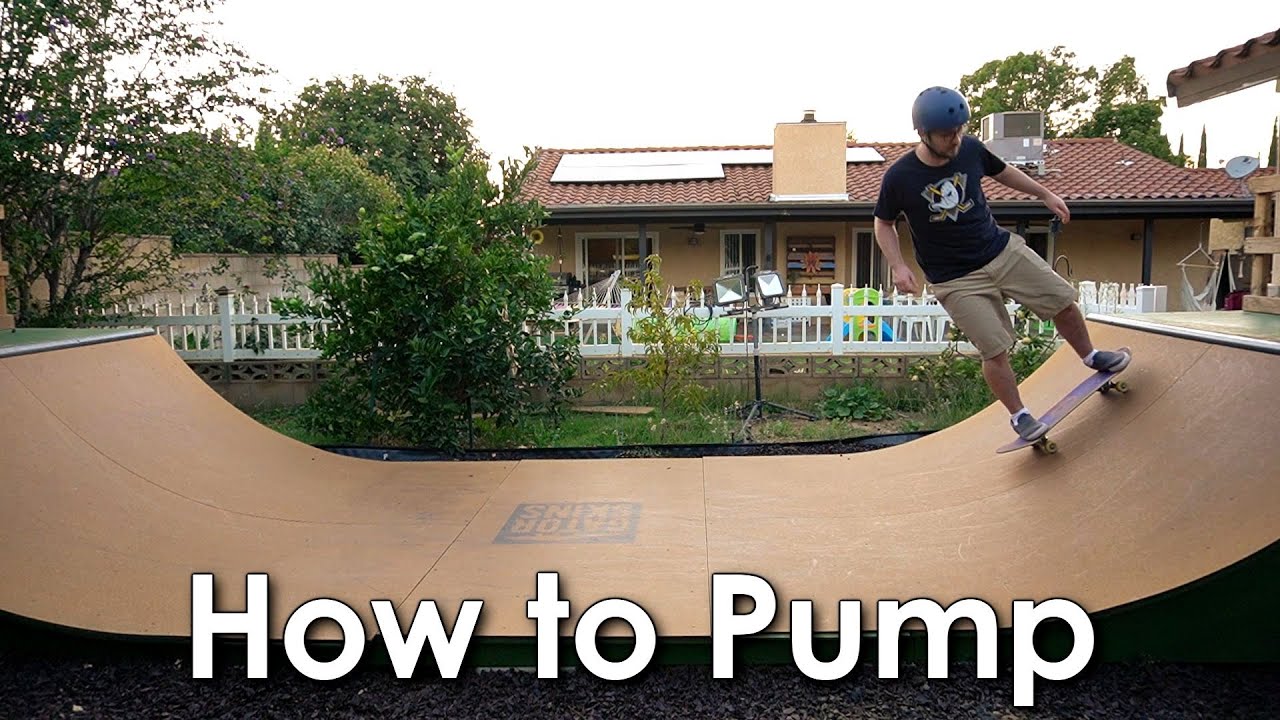
How to Pump – Mini Ramp Basics Skate Tutorial

Channel: Trick Dojo
Published: 2026-02-09T02:13:37Z
Playlist: TD Lv4 — Transition Entry
Notes:
–
Inward heels look complicated, but they’re really just a heel flip with extra flick. This video breaks down the motion step-by-step so you understand what makes an inward heel different from a regular heel flip. It’s a progression trick that feels impressive once you land it.
Who This Video Helps
Beginner to intermediate skaters who can land heel flips consistently. You need solid heels before adding the inward rotation that makes an inward heel.
What To Watch Closely
- The heel flick angle. Inward heels require a different angle than regular heels. Notice how the front foot angles inward to create rotation.
- Body positioning. You might need to open your shoulders slightly more than a regular heel flip. Watch for this subtle difference.
- Catch timing. The catch is similar to a regular heel, but the board rotates differently. See how the catch position changes.
Common Mistakes
- Flicking too hard. Extra rotation comes from flick angle, not force. A controlled flick is more reliable.
- Closing your shoulders. Stay open and let the board rotate around you. Closed shoulders make catches harder.
Try This Drill
Do 5 regular heel flips, then 5 inward heels. The comparison helps your body understand the difference in flick angle and rotation.
Dojo Note
Inward heels teach you that small changes in flick angle create different rotations. This principle applies everywhere—kickflip shuvits, tre flips, and all rotation tricks depend on precise flick positioning. Understanding this makes complex tricks learnable.
What To Learn Next
Progress to inward heel shuvits and kickflip inward heels. Once the inward heel is solid, variations come quickly.